Restoring a Unicorn: The Journey of a 2007 Lexus IS250
Discover the restoration journey of a rare 2007 Lexus IS250 with only 80,000 miles.
If you’ve ever stumbled upon a car that seems too good to be true, you’ll understand why the 2007 Lexus IS250 we’re diving into today is considered a unicorn. With only 80,000 miles on the odometer, this rear-wheel drive beauty is a rare find in the automotive world.
Key details: The transcript discusses the process of restoring a Lexus IS250. The Lexus IS250 has very low mileage of 80,000 miles. The car is a 2007 model.
The Beginning of a Restoration Journey
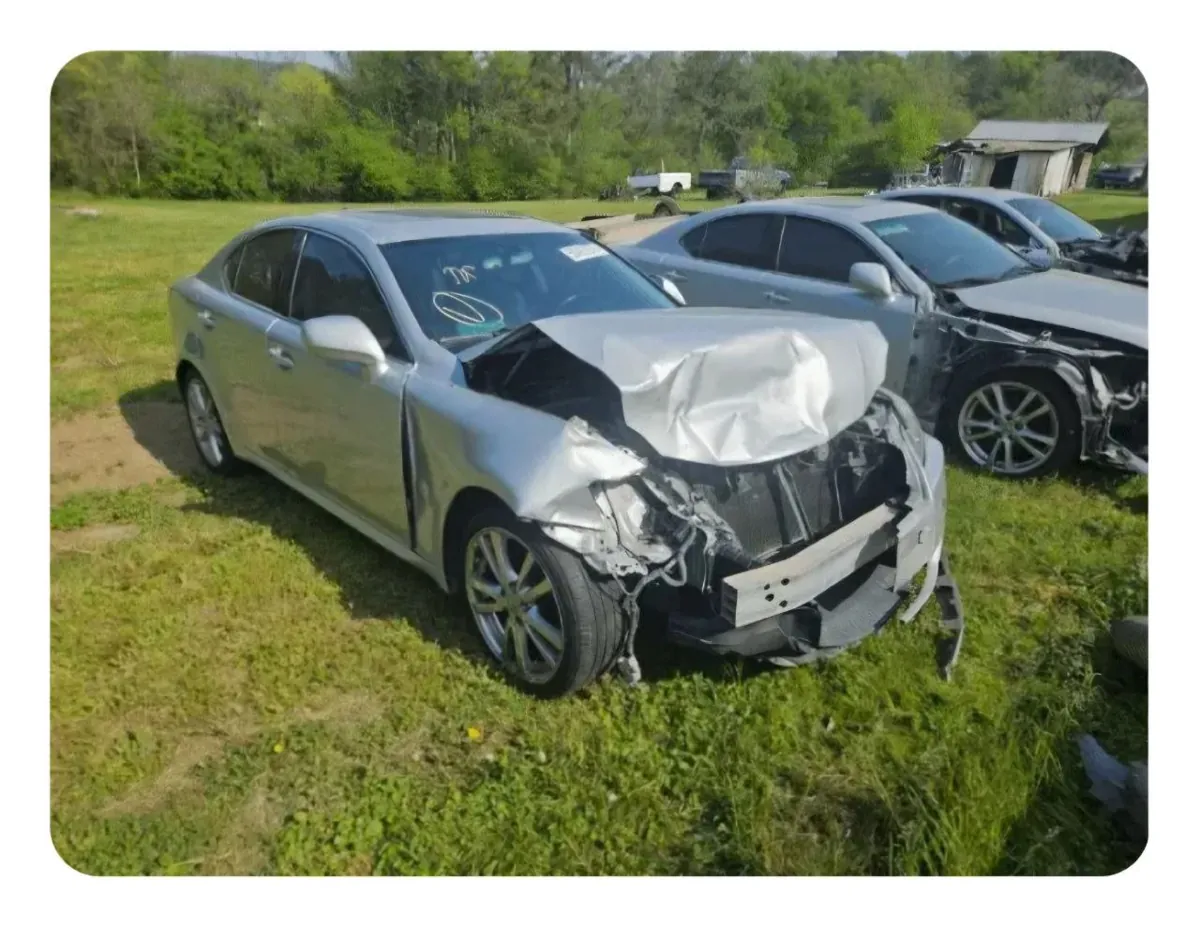
This particular Lexus IS250 has seen better days, especially with noticeable damage to its front. But what makes it special is not just its low mileage, but the story of its restoration. Restoring a car like this is not just about fixing what's broken—it's about bringing a piece of automotive history back to life. This journey began when the owner discovered the car parked in a garage, covered in dust, but with an undeniable charm that called out for revival.
Analyzing the Damage
The main image of this Lexus IS250 shows the extent of the damage to the front. The hood and bumper have taken a hit, but with the right parts and a lot of care, this car is on its way to looking as good as new. Each part replacement is a step closer to reviving this gem. The first step in the restoration process was to conduct a thorough assessment of the damage. This involved not only looking at the visible exterior but also checking the underlying components. Mechanics performed a comprehensive inspection to determine if any internal parts were affected by the accident. This meticulous attention to detail is crucial in ensuring the car's longevity and performance post-restoration.
Why This Lexus IS250 is Special
Cars like this 2007 Lexus IS250 with such low mileage are hard to come by. Dubbed a unicorn, it’s a collector's dream. The low mileage means the car has plenty of life left, making it a perfect candidate for restoration. The Lexus IS250 is known for its luxurious features, smooth ride, and reliability, making it a popular choice among car enthusiasts. The fact that this particular model has been well-maintained, despite the recent damage, adds to its allure. It’s not just a car; it’s a piece of history that deserves to be cherished.
The Process of Restoration
Restoring a car is a meticulous process. Each part is carefully analyzed and replaced if necessary. This isn’t just about aesthetics; it’s about ensuring the car runs smoothly and safely. The process involves a series of steps, from assessing the damage to sourcing the right parts and finally, putting it all together.
The first step was to source OEM (Original Equipment Manufacturer) parts to maintain the integrity of the vehicle. This meant reaching out to specialized suppliers and even visiting junkyards to find components that matched the original specifications. The owner took pride in ensuring that every part replaced was of high quality, reflecting the care that went into the restoration.
Once the parts were acquired, the next phase involved disassembling the damaged parts, which required precision and expertise. Mechanics worked diligently, removing the dented hood and cracked bumper, making sure not to damage any other components in the process. This stage is often the most labor-intensive, as it requires both skill and patience. After the damaged parts were removed, the team prepared the surfaces for new installations, ensuring a perfect fit for the replacement pieces.
The Importance of Accurate Tags
When documenting a restoration, it’s crucial to use relevant tags and alt descriptions. This ensures that the story of the car is accurately conveyed, and enthusiasts searching for similar projects can easily find it. Using irrelevant tags can mislead and confuse, so precision is key. For the owner, this meant taking the time to catalog every step of the restoration process, including the parts used and the techniques applied. This not only helps in sharing the journey with fellow car lovers but also serves as a guide for others looking to undertake similar projects. Accurate tagging and documentation can create a community of support, where enthusiasts can exchange tips and advice.
A Look at the Parts Replacement
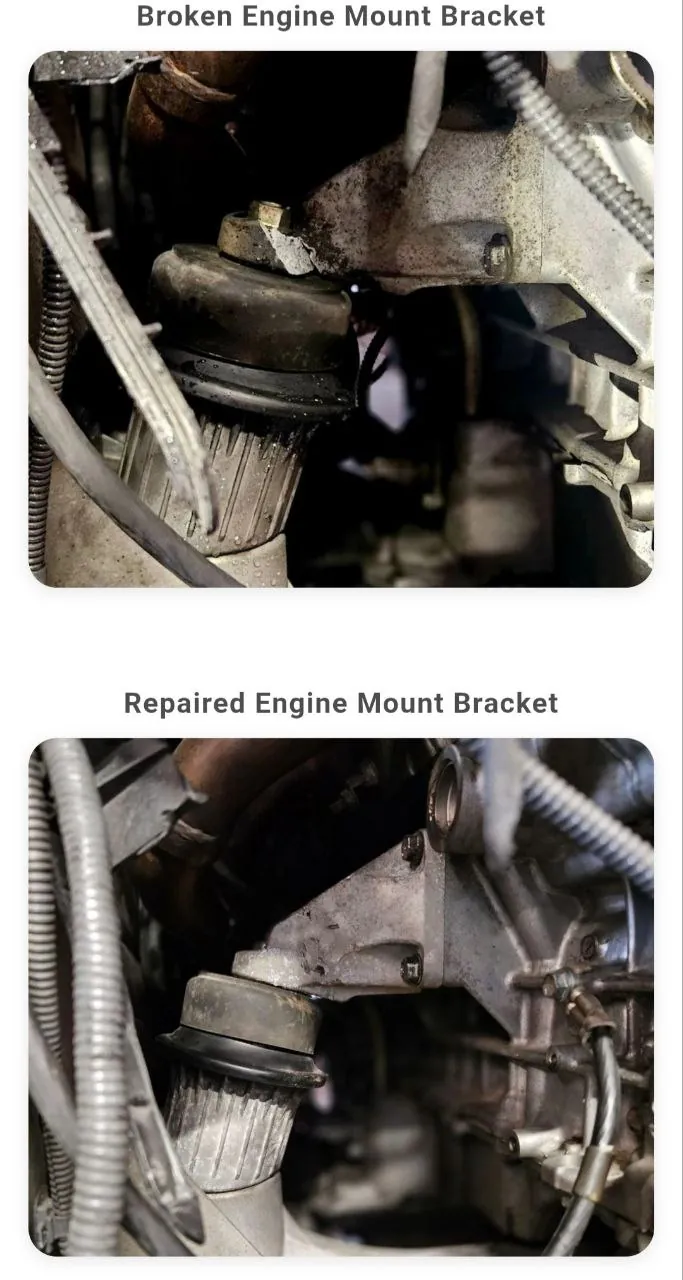
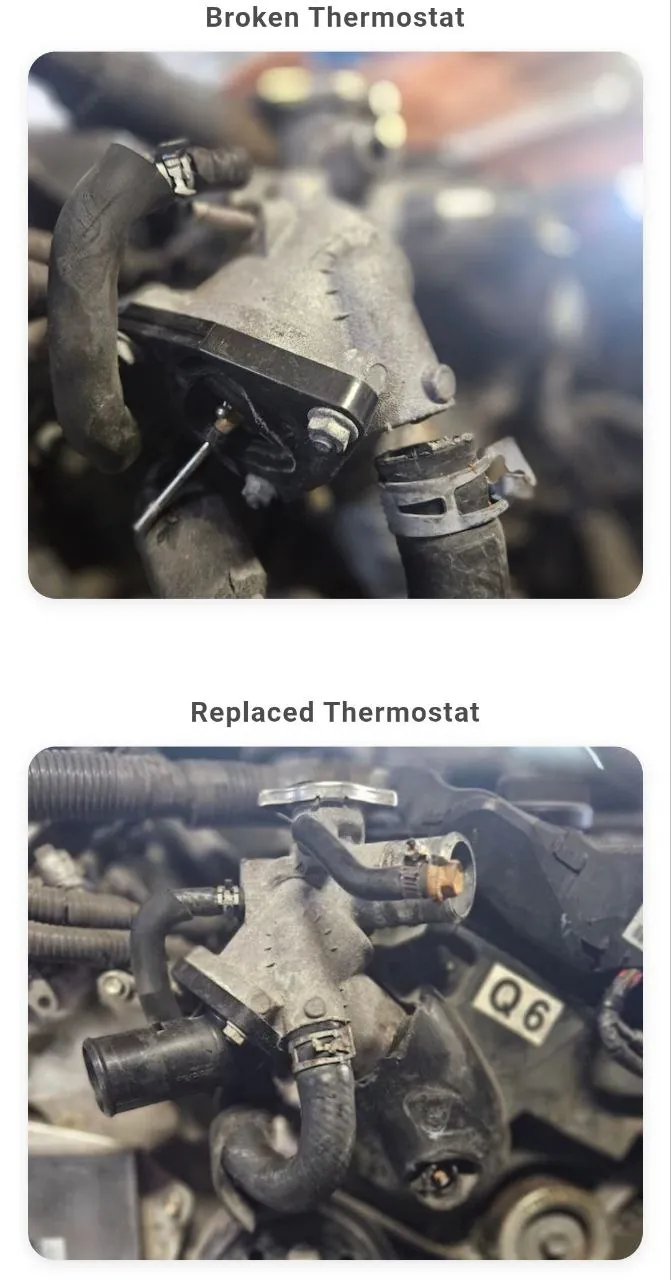
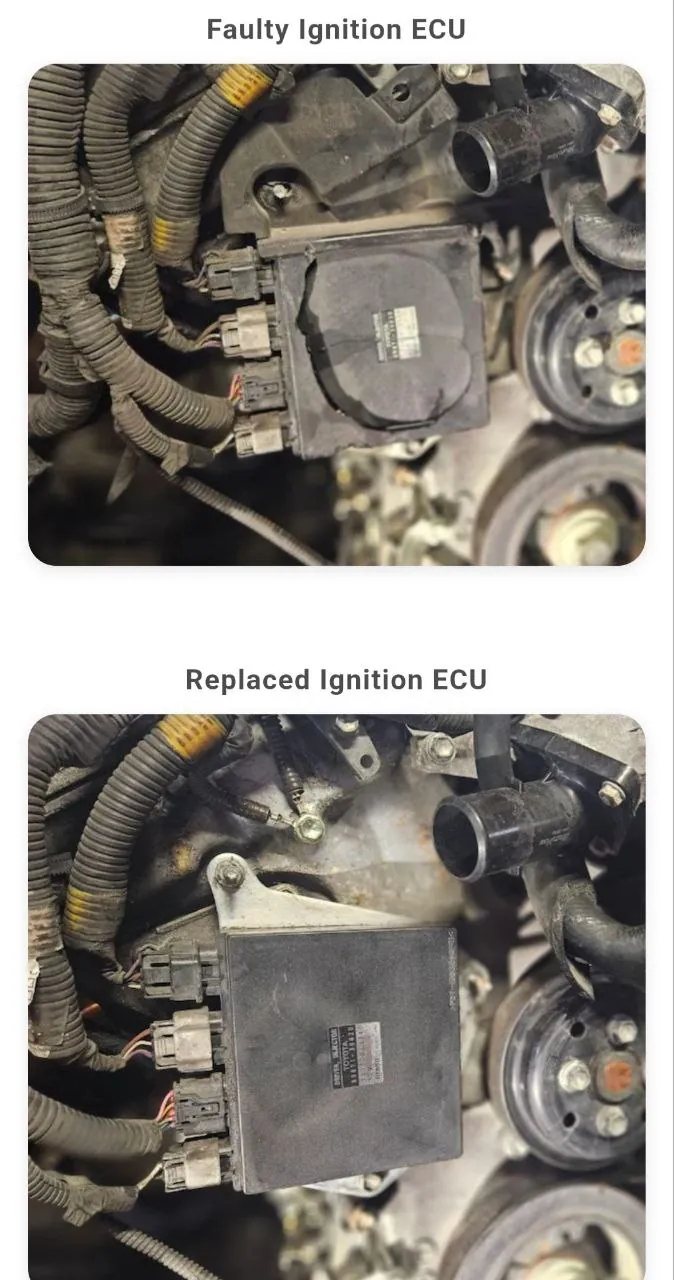
Some of the images show the parts that have been replaced during the restoration. Each replacement is a testament to the dedication and effort put into reviving this Lexus IS250. From the smallest bolt to the largest panel, every piece plays a role in the car's transformation. The new hood and bumper, painted to match the original color, now sit perfectly aligned, restoring the car’s sleek appearance.
In addition to visible parts, the restoration team also focused on the internal components. This included checking the engine and transmission, ensuring they were in optimal condition. Regular maintenance records showed that the car had been cared for, which was a huge advantage during the restoration. The engine was cleaned, fluids were replaced, and any worn parts were addressed, ensuring that the car would perform as well as it looked.
The Road Ahead
As this Lexus IS250 continues its journey of restoration, it stands as a reminder of the beauty and potential hidden in cars that many might overlook. With each part replaced and each detail restored, it gets closer to being the unicorn it was meant to be. The excitement builds as the car nears completion, with plans for a thorough test drive to ensure everything is functioning perfectly. This final phase is essential, as it allows the owner to experience the fruits of their labor firsthand.
In the world of automotive restoration, every car has a story to tell. The Lexus IS250 is no exception. As it transitions from a damaged vehicle to a restored masterpiece, it captures the imagination of car enthusiasts everywhere. This journey not only highlights the dedication of the owner but also serves as an inspiration for others considering a restoration project. The joy of reviving a classic car is immeasurable, and for this Lexus IS250, the journey is just beginning.
As the restoration completes, the owner plans to showcase the car at local car shows, sharing its story and connecting with other enthusiasts. This community aspect of car restoration is invaluable, as it fosters friendships and shared passions. The 2007 Lexus IS250 is not just a car; it’s a testament to perseverance, dedication, and the love of automobiles.
In conclusion, the restoration of this Lexus IS250 is a journey filled with challenges and triumphs. It reminds us that behind every car lies a story worth telling, and sometimes, the most beautiful treasures are those that require a little extra care to shine.
With the restoration nearing its end, the Lexus IS250 is set to make its mark once again, proving that with dedication and passion, even the most damaged vehicles can be returned to their former glory.
No comments yet.