Things I Would Look Out For When Purchasing a Second-Gen Lexus IS250
Key factors to consider when buying a second-gen Lexus IS250, from suspension to maintenance records.

Buying a used car can be a thrilling yet nerve-wracking experience, especially when it comes to a second-gen Lexus IS250. This model, produced from 2006 to 2013, is known for its reliability, performance, and luxurious feel. However, navigating through the used car market can be daunting, and there are specific things I would look out for to ensure I make a sound investment.
Understanding the Lexus IS250
Before diving into specifics, it's important to understand why the second-gen Lexus IS250 is a popular choice among used car buyers. This luxury sedan offers a blend of performance, comfort, and reliability, making it an appealing option for those seeking a stylish yet practical vehicle. It features a 2.5-liter V6 engine, providing a balance of power and fuel efficiency. Additionally, its reputation for longevity and low maintenance costs adds to its allure. However, as with any used car, potential buyers should be vigilant about certain aspects that could impact their ownership experience.
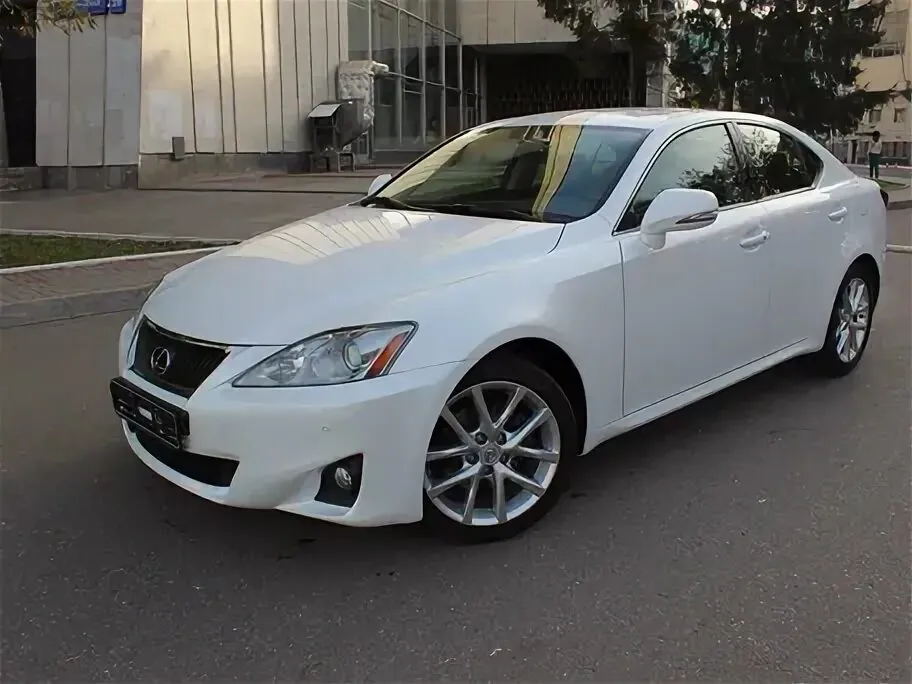
Suspension Check
First off, the suspension is something I would thoroughly inspect. A smooth ride is one of the hallmarks of a Lexus, so ensuring the suspension is in good shape is crucial. The second-gen IS250 is known for its comfortable ride quality, but worn-out suspension components can lead to a bumpy and less enjoyable driving experience. Look for any signs of wear, such as unusual noises when driving over bumps or dips, as well as uneven tire wear, which could indicate suspension issues. If possible, take the car for a test drive on a variety of road surfaces to assess its handling and ride comfort.
Rear Differential Seals
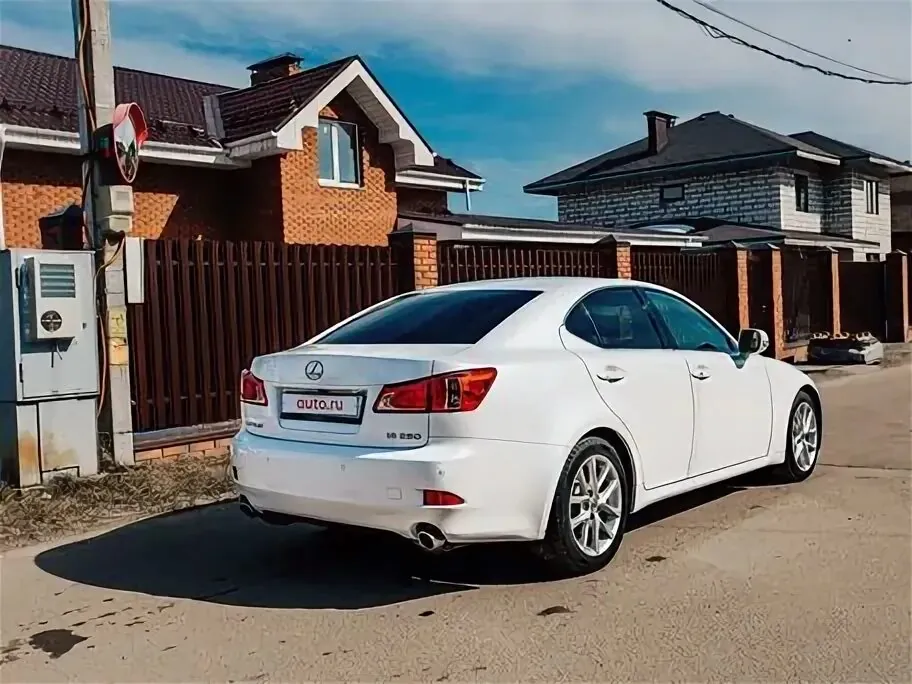
Another critical area is the rear differential seals. Cracked seals can lead to leaks and further mechanical issues, which can be costly to repair. When inspecting the vehicle, check the area around the differential for any signs of fluid leaks. If you notice any oil spots or a greasy residue, it’s essential to have this addressed before making a purchase. Replacing rear differential seals can be a labor-intensive process, so it’s worth ensuring that this aspect is in good condition before committing to a purchase.
Regular Oil Changes
The engine's health is often a reflection of how well the car was maintained. I would look for evidence of regular oil changes, as this is vital for the longevity of the engine. Ideally, the oil should have been changed every 5,000 miles. While some owners might stretch it to 10,000 miles, sticking to a 5,000-mile interval is better for engine health. Ask for maintenance records to confirm the oil change history, and look for any signs of sludge or excessive wear when inspecting the engine. A well-maintained engine should show clean oil and no signs of leaks or excessive wear.
Transmission Maintenance
Transmission maintenance is another vital aspect to consider. If the car is nearing 200,000 miles, it’s crucial to ensure that the transmission oil has been changed regularly. Neglecting this could mean factoring in the cost of replacing or servicing the transmission, which can be a significant expense. During your inspection, check for any signs of slipping or rough shifts when driving. If the transmission fluid appears dirty or has a burnt smell, it could indicate neglect, which may lead to costly repairs in the future.
Interior Condition
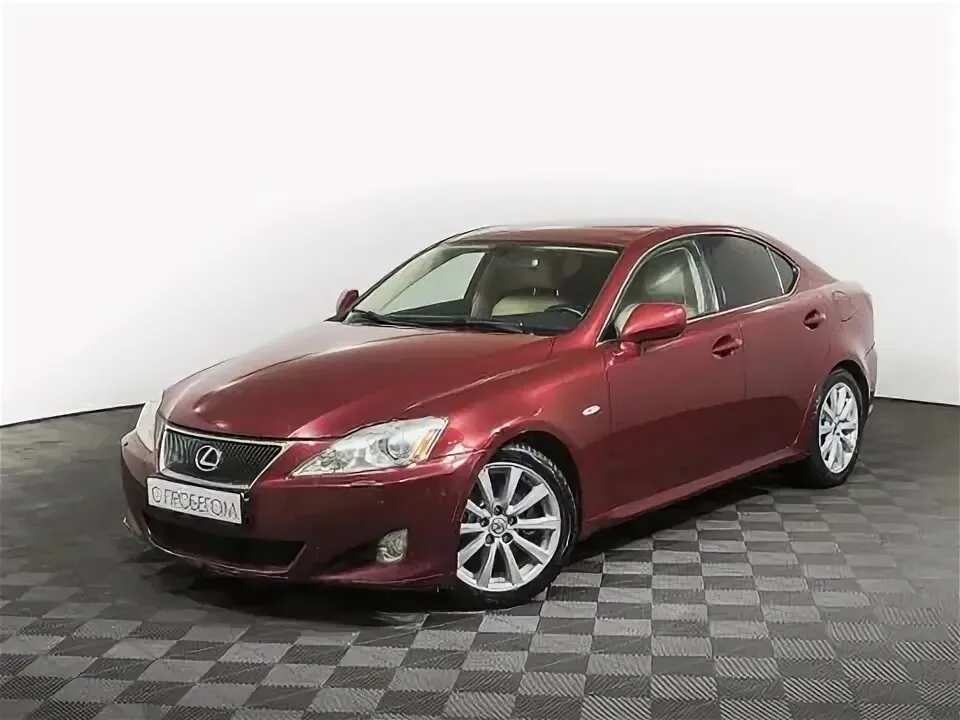
Moving inside, the interior condition is also important. I would check for ripped seats, bad door panels, and any signs of excessive wear or damage, which were issues in some models. While these are more of an inconvenience than a maintenance problem, they can affect the car's overall appeal and resale value. Pay attention to the condition of the dashboard, controls, and infotainment system. Ensure that all features function properly, including the air conditioning, audio system, and any other electronic components. A well-maintained interior can significantly enhance the driving experience.
Maintenance Records
Reviewing the car's maintenance records is a must. These records provide a history of how the car was cared for and can reveal any recurring issues or neglected maintenance. Look for documentation that shows regular servicing, including oil changes, brake replacements, and any major repairs. A well-documented service history can give you peace of mind and indicate that the previous owner took care of the vehicle. Additionally, if the car has had any recalls or service campaigns, ensure that these have been addressed.
Filters and Usage
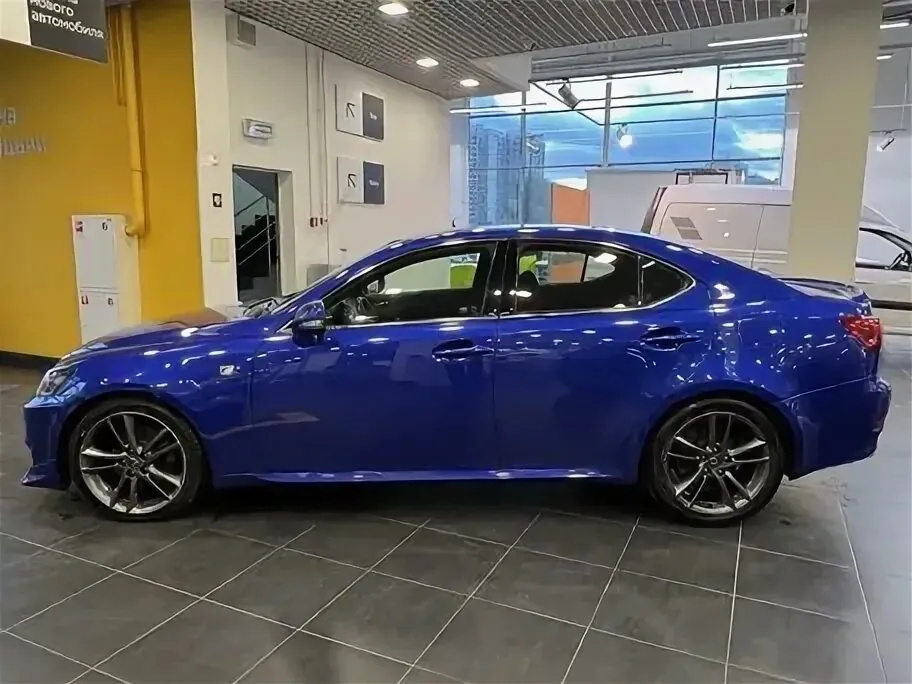
Lastly, I would consider how often filters were replaced, including interior and air filters. Understanding how the car was used—whether it was gently driven or pushed to its limits—can also give insights into its condition. A car that has been primarily used for highway driving may have less wear than one that has been used for city driving with frequent stop-and-go traffic. Ask the seller about the driving habits and routine of the previous owner, as this can help you gauge how the car was treated over its lifespan.
Additional Considerations
While the above factors are crucial, there are a few additional considerations to keep in mind when purchasing a second-gen Lexus IS250. It’s wise to have a trusted mechanic conduct a pre-purchase inspection, as they can identify potential issues that may not be immediately apparent. This step can save you from unexpected expenses after the purchase.
Additionally, consider the car's history report. Services like Carfax can provide valuable information about past accidents, title issues, and service records. This report can help you make a more informed decision and avoid cars with hidden problems.
Lastly, it’s essential to factor in the cost of ownership. While the IS250 is known for its reliability, regular maintenance and repairs are still necessary. Be sure to budget for routine services, tires, and any unexpected repairs that may arise.
Conclusion
Overall, while the second-gen Lexus IS250 is a reliable choice, ensuring these factors are in check will help in making a well-informed purchase. With the right budget and expectations, this car can serve well for at least five years, provided it’s filled with premium gas and receives basic maintenance. By taking the time to thoroughly inspect the vehicle and review its history, you can enjoy the luxurious experience that the Lexus IS250 has to offer, along with the peace of mind that comes from knowing you made a smart investment.
No comments yet.