Lexus LX600 vs. BMW X7 M50i/M60i: Engine Choices and Reliability
Explore the engine choices, reliability, and depreciation of the Lexus LX600 and BMW X7 M50i/M60i. Which SUV comes out on top?
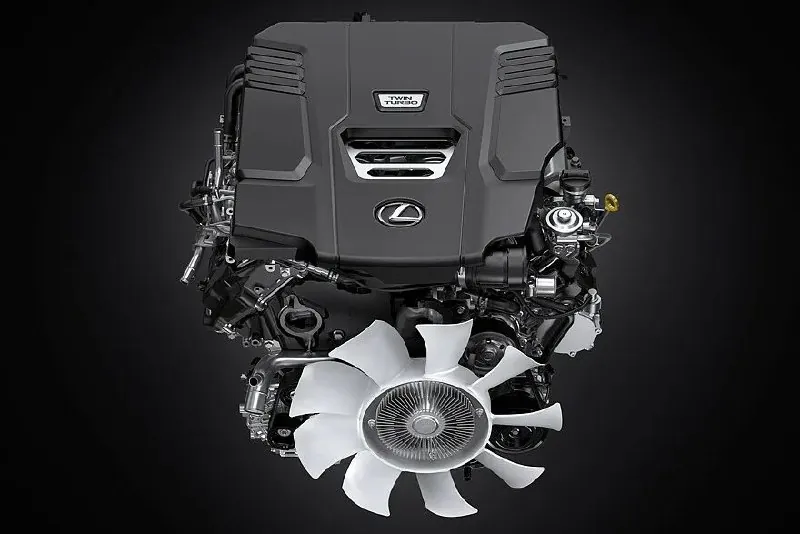
When discussing luxury SUVs, the Lexus LX600 and the BMW X7 M50i or M60i stand out as formidable options. Each vehicle brings its own strengths to the table, making them appealing to different types of buyers. The LX600 comes equipped with a turbocharged V6 engine, a notable departure from the brand's traditional V8 offerings. Meanwhile, the X7 boasts a powerful V8 engine, which is known for its performance and smooth operation. Understanding the nuances of these engine choices can help potential buyers make informed decisions about their next luxury SUV.
Engine Choices: Power Under the Hood
The engine configuration of a vehicle often dictates its overall performance and driving experience. The Lexus LX600's turbocharged V6 engine represents a significant shift for the brand, which has long been associated with V8 power. This new engine is designed to deliver a balance of efficiency and power, aiming to meet the demands of modern drivers. While it provides adequate performance for most situations, some enthusiasts may feel that it doesn't offer the same level of excitement as a traditional V8. The debate over the merits of V6 versus V8 engines continues among automotive aficionados.

Conversely, the BMW X7 is equipped with a robust V8 engine that has garnered praise for its capability. This engine is not only powerful but also provides a smooth and responsive driving experience. Even in a larger SUV, the X7's V8 manages to deliver exhilarating performance, allowing it to feel agile on the road. The combination of power and refinement in the X7's engine is designed to cater to buyers who seek a thrilling ride without sacrificing comfort. The overall driving dynamics offered by this V8 make it a standout feature of the X7.
Reliability: A Closer Look
Reliability is a critical factor when it comes to luxury SUVs, as buyers often seek vehicles that will perform well over time. Lexus has built a strong reputation for dependability, frequently ranking high in various reliability surveys. However, the introduction of the turbocharged V6 engine raises some questions regarding its long-term reliability. Fans of the brand are understandably curious about how this newer technology will hold up compared to the tried-and-true V8 engines of the past. It remains to be seen how this transition affects the overall reliability of the LX600 in the years to come.
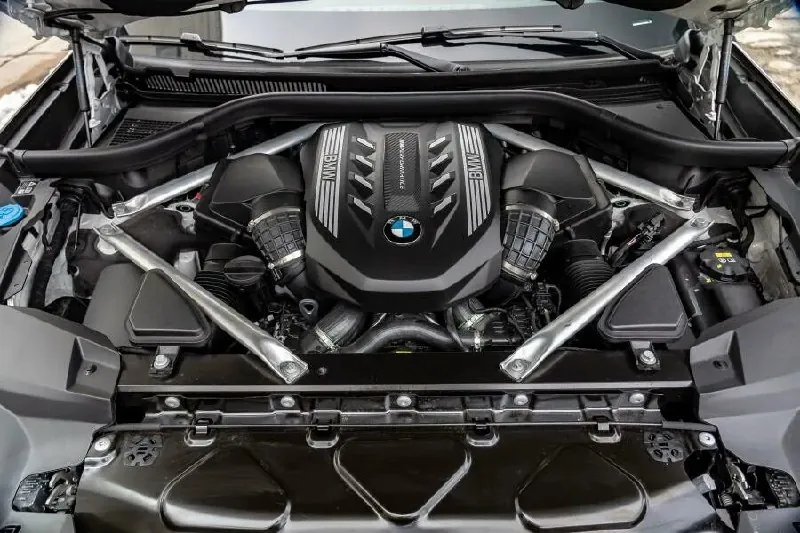
On the other hand, BMW's reputation for reliability is somewhat mixed. The X7 is crafted with high-quality materials and engineering, which contributes positively to its overall build quality. Yet, it's important to note that maintenance for BMW vehicles can often be more frequent and costly. This aspect is crucial for potential buyers to consider, as the long-term costs associated with ownership can significantly impact the overall experience. Understanding the reliability of each model can help buyers make choices that align with their expectations for durability and maintenance.
Depreciation: What to Expect
Depreciation is an unavoidable reality for all vehicles, and luxury SUVs tend to experience a more pronounced drop in value compared to their non-luxury counterparts. The Lexus LX600, with its established reputation for reliability, is likely to maintain its value better over time when compared to the BMW X7. This is an important consideration for buyers who are thinking about resale value down the line. However, the allure of the X7's performance and brand prestige may also attract buyers, potentially mitigating depreciation to some extent.

Luxury vehicles typically see a substantial percentage of their value diminish in the initial years following purchase. The LX600's shift to a turbocharged V6 could influence its resale value, depending on market reception and consumer preferences. Meanwhile, the BMW X7, especially with its powerful V8 engine, may appeal to those who prioritize performance and driving enjoyment over other factors. As buyers consider their options, understanding how depreciation affects each model can be an essential part of the decision-making process.
Why Lexus Made the Switch to a V6
The decision by Lexus to transition from a V8 to a V6 engine in the LX600 is influenced by several industry trends. One of the primary factors is the increasing demand for smaller, more efficient engines, driven by stricter fuel economy standards and emissions regulations. By adopting a turbocharged V6, Lexus can adhere to these regulations while still providing a reasonable level of power and performance. This strategic move is indicative of the broader shifts occurring in the automotive landscape.
Moreover, advancements in turbocharging technology have allowed manufacturers to enhance the performance of smaller engines significantly. Lexus, like many other automakers, recognizes that a well-tuned V6 engine can deliver impressive power while maintaining efficiency. This change may help the brand reach a wider audience, particularly those who appreciate the balance of fuel economy and performance. As consumer preferences evolve, Lexus is positioning itself to meet the demands of a changing market.
Share Your Thoughts
As you consider the engine choices in these luxury SUVs, your perspective is valuable. Do you lean toward the turbocharged V6 in the Lexus LX600, or do you find yourself drawn to the power and performance of the BMW X7’s V8? If you have had the opportunity to experience either vehicle firsthand, I encourage you to share your insights. Your feedback can provide prospective buyers with a richer understanding of what to expect from these luxury SUVs. Please feel free to leave your thoughts and experiences in the comments below, as they can help others in their decision-making process.
No comments yet.