The Genesis of the Lexus RX: A Pioneer in the SUV Market
Discover the origins of the Lexus RX, its market impact, and the challenges faced by its first generation.

In the world of luxury vehicles, few names resonate quite like Lexus. Among its lineup, the Lexus RX stands out as a trailblazer in the SUV market. Introduced in the early 2000s, the first-generation Lexus RX brought something fresh to the table, and it wasn't long before it became a staple in driveways across the globe.
Why the Lexus RX?
The late 1990s and early 2000s were a time of transformation in the automotive industry. Consumers were increasingly looking for vehicles that combined the comfort of a sedan with the ruggedness of an SUV. Enter the Lexus RX. It was created to meet this precise market need, offering a blend of luxury, comfort, and utility that was hard to find elsewhere at the time.
The First Generation: A Closer Look
The first model of the Lexus RX was a game-changer. It was designed to cater to a growing demand for luxury SUVs, a segment that was still in its infancy. The RX offered a smooth ride, a spacious interior, and the kind of premium features that Lexus was known for. However, like any pioneering model, it had its share of issues.
#### Common Problems
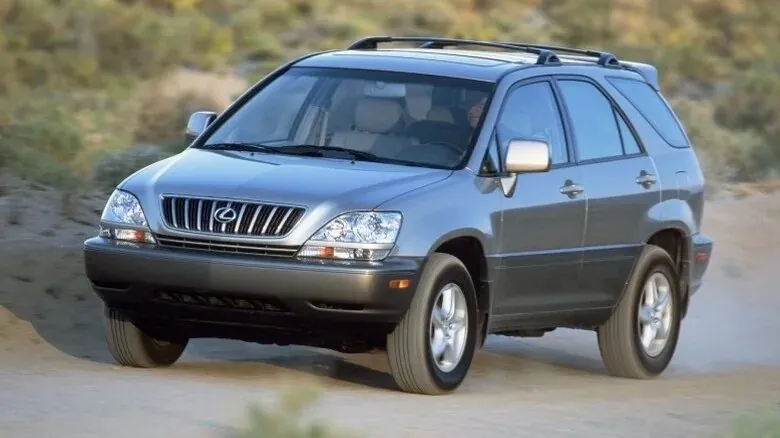
Despite its many strengths, the first-generation Lexus RX wasn't without its problems. Owners reported issues with the transmission and some electrical components. These problems were not uncommon in early SUV models, as manufacturers were still fine-tuning the balance between luxury and utility. The RX's transmission issues, in particular, became a point of concern for many buyers, leading to some negative reviews that highlighted the importance of reliability in luxury vehicles.
The Market Impact
The introduction of the Lexus RX was a significant moment in the SUV market. It set a new standard for what a luxury SUV could be, influencing competitors and shaping the direction of future models. The RX's success was evident in its sales figures. Although exact numbers are approximate, the first-generation RX sold impressively, capturing the attention of buyers who appreciated its unique offering.
As the SUV market began to expand rapidly during this period, the RX played a crucial role in legitimizing luxury SUVs as a viable segment. It demonstrated that consumers were willing to invest in a vehicle that offered both prestige and practicality. The RX's impact was not limited to sales; it also influenced design trends across the industry, encouraging other manufacturers to explore the luxury SUV segment.
Buyer Sentiment
The sentiment among buyers of the first-generation Lexus RX was generally positive. Many appreciated its luxurious feel and the elevated driving experience it provided. The combination of a comfortable ride with high-quality materials and finishes made it a sought-after vehicle among discerning consumers. However, the aforementioned issues did lead to some mixed reviews, especially among those who encountered mechanical problems. Overall, the RX was perceived as a vehicle that delivered on its promise of luxury, even if it faced some initial hurdles.
A Lasting Legacy
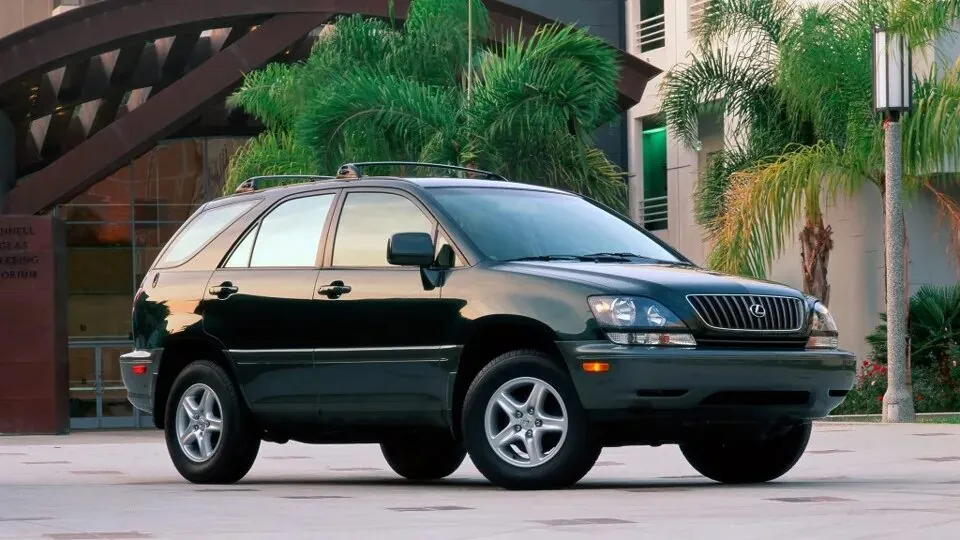
The Lexus RX has continued to evolve, but its first generation laid the groundwork for what has become one of the most popular luxury SUVs on the market. Its introduction in the early 2000s was a pivotal moment, setting the stage for the growth of the luxury SUV segment. Over the years, the RX has undergone numerous redesigns and updates, each iteration refining the formula that made the original so appealing.
One of the key aspects of the RX's legacy is its ability to adapt to changing consumer preferences. As the market evolved, so did the RX, incorporating new technologies, safety features, and environmentally friendly options like hybrid variants. The RX has remained relevant by embracing innovation while staying true to its core values of luxury and comfort.
The Competitive Landscape
As the Lexus RX carved out its niche, it also faced increasing competition from other luxury automakers. Brands like BMW, Audi, and Mercedes-Benz began to introduce their own luxury SUVs, each trying to capture a piece of the growing market. The RX set a high bar, and its competitors were forced to step up their game. This competition ultimately benefited consumers, as it led to more options and better vehicles in the luxury SUV segment.
The RX's influence can also be seen in the way other manufacturers began to prioritize comfort and luxury in their SUV designs. Features that were once considered optional, like premium sound systems, advanced infotainment options, and enhanced seating comfort, quickly became standard in many models, thanks in part to the RX's success.
Conclusion: The Importance of Innovation in the SUV Market
The Lexus RX represents more than just a successful vehicle; it symbolizes a shift in consumer expectations and automotive design. Its introduction heralded a new era in the SUV market, one where luxury and utility could coexist harmoniously. The RX's journey from its first generation to its current iterations showcases the importance of innovation and responsiveness to consumer needs in the automotive industry.
As we look back at the genesis of the Lexus RX, it's clear that its impact extends beyond just sales figures and market share. It has shaped the way we view luxury vehicles and has set a precedent for what consumers can expect from a luxury SUV. The legacy of the RX continues to influence not just Lexus but the entire automotive landscape, reminding us that the journey of a pioneering vehicle is as important as the destination it reaches.
No comments yet.